
Your fridge is running, the light comes on, but your food doesn’t feel as cold as it should. A fridge not cooling properly can be frustrating, and if the problem continues, food may begin to spoil.
Sometimes the cause is surprisingly simple. Other times, the fridge may need professional attention. Here are some common reasons your fridge may stop cooling and what you can do about them.
1. The Temperature Setting Has Changed
Before assuming something is broken, check the temperature setting.
The control may have been accidentally adjusted while loading or cleaning the fridge. Make sure it is set to an appropriate cooling temperature and give the appliance time to respond.
If the fridge remains warm after adjusting the setting, there may be another problem.
2. The Fridge Door Isn’t Closing Properly
A refrigerator needs to remain properly sealed to keep cold air inside.
Food containers, bottles or other items can sometimes prevent the door from closing completely. Damaged or dirty door seals may also allow cold air to escape.
Check that nothing is blocking the door and inspect the seal for obvious dirt, gaps or damage.
3. The Fridge Is Overloaded
Packing your fridge too tightly can interfere with airflow.
Cold air needs room to circulate around the refrigerator compartment. If shelves are overcrowded, some areas may remain warmer than others.
Try reorganising the contents and avoid blocking internal air vents.
4. Dirty Condenser Coils May Be Affecting Performance
Depending on the refrigerator design, condenser coils help release heat generated during the cooling process.
When accessible coils become covered in dust and dirt, the refrigerator may have to work harder to maintain the desired temperature.
If your fridge has accessible coils, consult the manufacturer’s instructions before attempting to clean them.
5. The Air Vents Are Blocked
Many refrigerators rely on internal vents to circulate cold air.
Food or containers placed directly against these vents can restrict airflow, resulting in uneven cooling.
Check that items inside the fridge aren’t blocking visible vents.
6. The Fridge Is in a Poorly Ventilated Space
Your refrigerator also needs suitable ventilation around the appliance.
If it is positioned too close to surrounding walls or cabinetry, heat may not dissipate as effectively. Check the manufacturer’s recommended clearance requirements for your particular model.
7. The Fan May Not Be Working Properly
Refrigerators can use fans to circulate cold air or help release heat.
A faulty fan may cause poor cooling, unusual noises or inconsistent temperatures. Diagnosing or replacing internal components is generally a job for a refrigeration technician.
8. There Could Be a Refrigerant Problem
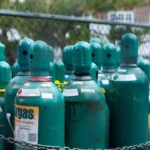
Refrigerant plays an essential role in the cooling process.
If the refrigeration system develops a leak or another refrigerant-related fault, the fridge may struggle to reach or maintain the required temperature.
This isn’t a DIY repair. The system should be assessed by an appropriately qualified refrigeration professional.
9. The Thermostat or Temperature Sensor May Be Faulty
Your fridge relies on temperature controls and sensors to determine when cooling is required.
If one of these components isn’t functioning correctly, the refrigerator may run incorrectly or fail to maintain the selected temperature.
Professional fault finding can help determine whether the temperature-control system is causing the problem.
10. A Mechanical or Electrical Component Has Failed
Sometimes a fridge not cooling is caused by a more significant component failure.
The compressor, electrical components or another part of the refrigeration system may require professional assessment. You may notice unusual noises, repeated switching, continuous running or a complete loss of cooling.
What Should You Do If Your Fridge Is Not Cooling?
Start with the basics. Check the temperature setting, make sure the door closes properly, remove anything blocking the vents and ensure the fridge isn’t excessively packed.
If the problem continues, avoid repeatedly adjusting components or attempting repairs involving electrical or refrigeration systems yourself.
A refrigeration technician can perform fault finding to determine why the fridge isn’t cooling and whether repair is appropriate.
When Should You Call a Refrigeration Technician?
Consider professional assistance if your fridge remains warm despite basic checks, repeatedly loses temperature, leaks water, makes unusual noises or stops cooling altogether.
The sooner a significant cooling problem is addressed, the sooner you can determine what is wrong and reduce the risk of food being spoiled.
ENALENI GROUP provides refrigeration services in Gauteng, including fridge and freezer repairs, refrigeration fault finding, maintenance and commercial refrigeration services.
When your fridge stops keeping things cool, it’s time to find out why.
Need refrigeration assistance? Call ENALENI GROUP on +27 81 039 5034.