Gas is a convenient and efficient energy source used in many South African homes for cooking, heating, hot water and other household applications. However, like any energy source, gas needs to be handled correctly to ensure the safety of everyone in your home.
From installing gas appliances to storing LPG cylinders and identifying gas leaks, understanding the basics of gas safety at home can help prevent accidents and give you peace of mind.
In this complete guide, we cover the essential gas safety tips every homeowner should know.
Why Is Gas Safety Important?
Liquefied Petroleum Gas (LPG) is highly useful, but it is also highly flammable. A gas leak in an enclosed or poorly ventilated space can create a serious fire, explosion or health risk.
Many gas-related incidents can be prevented through proper installation, regular maintenance, adequate ventilation and responsible handling of gas cylinders and appliances.
Gas safety isn’t only about what you should do during an emergency. It starts with choosing the right equipment and ensuring that your gas installation is professionally installed and maintained.
1. Have Your Gas Installation Professionally Installed
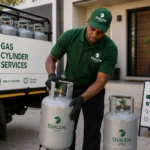
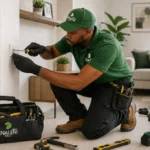
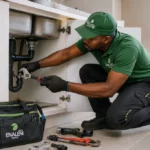
One of the most important gas safety measures is ensuring that your gas installation is completed by a qualified and appropriately registered gas practitioner.
A professional can ensure that:
- Gas pipes and connections are correctly installed.
- Appliances are suitable for the gas installation.
- Gas cylinders are positioned appropriately.
- Ventilation requirements are met.
- Connections are properly sealed.
- The installation is tested for leaks.
- Safety requirements are taken into consideration.
Avoid attempting complex gas installations yourself. Incorrect installation can result in gas leaks, poor combustion or other dangerous conditions.
Request a free quote
2. Check for Gas Leaks
A strong smell similar to rotten eggs, hissing sounds or unusual appliance behaviour may indicate a gas leak. If you suspect a leak, turn off the gas supply if it is safe to do so, avoid flames and electrical switches, ventilate the area and seek professional assistance.
3. Store Gas Cylinders Safely
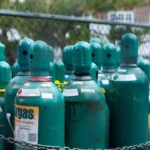
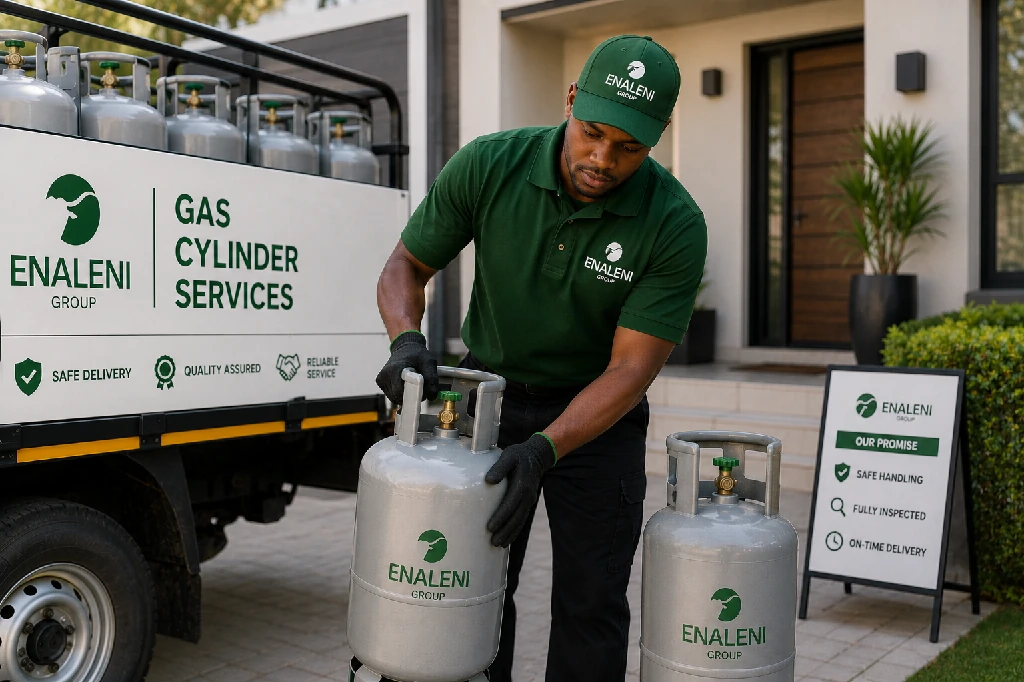
Keep LPG cylinders upright, secure and in a well-ventilated area. Protect them from excessive heat, direct sunlight and ignition sources.
4. Ensure Proper Ventilation
Good ventilation is essential when using gas appliances. Never block required ventilation openings, as poor ventilation can increase the risk of dangerous combustion gases such as carbon monoxide.
5. Maintain Your Gas Appliances
Regularly inspect appliances, hoses, regulators and connections for damage or signs of wear. If something doesn’t look or sound right, stop using the appliance and have it checked by a qualified professional.
Stay Safe With Gas
Gas safety starts with good habits and regular maintenance. By following these five tips, you can enjoy the benefits of gas while helping keep your home and family safe.
Need professional gas installation, inspection or maintenance? Contact Enaleni Group for reliable gas safety services.